


Early Reading
In September 2022, we introduced a new synthetic phonics programme to ensure that all our children develop the phonetic knowledge that they need to become confident, happy and fluent readers. This programme is now securely embedded and at the heart of how we teach children to read and spell at Leckhampton.
About the Programme
The Little Wandle Letters and Sounds Revised Phonics Programme is a Department for Education validated scheme that enables our children to;
o Build on their growing knowledge of the alphabetic code, mastering phonics to read and spell as they move through school
o Be equipped and empowered to tackle any unfamiliar words as they read
o Read confidently for meaning and regularly enjoy reading for pleasure
o See themselves as readers for both pleasure and for purpose
Pedagogy at Leckhampton
Children in Reception, Year 1 and Year 2 (first term only) participate in daily, high quality phonics lessons that are delivered with fidelity to the Little Wandle programme. All children read at least twice a week with an adult, practicing with a fully decodable book which has been matched to their individual reading level.
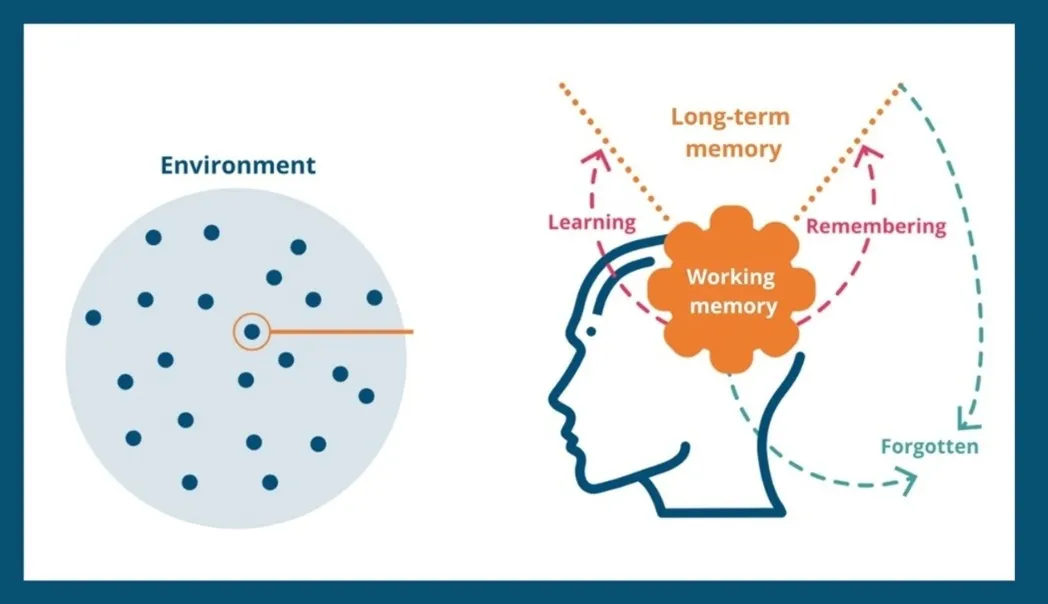
The children’s progress is monitored and reviewed using a rigorous assessment system, which informs teaching. Children who need additional practice are identified early and supported as soon as they need it. This approach ensures that learning remains inclusive and is being consistently consolidated and secured.
Individuals’ progress is celebrated and shared regularly with parents, creating a supportive and encouraging approach to learning to read.
The Process (What is taught when)
Children begin in Reception by learning to orally blend sounds. Lessons are kept short and engaging as children play games such as ‘What in the box?’. Throughout Reception the children will begin to ‘build the code’, learning how to say Phase 2 and 3 sounds (See below) and how to read and write these in simple words. Within Phase 4 they will apply their knowledge to more complex words and develop the ability to ‘blend words in their head’. They will also learn to read ‘tricky words’ (non-decodable words) from Phases 2, 3 and 4.
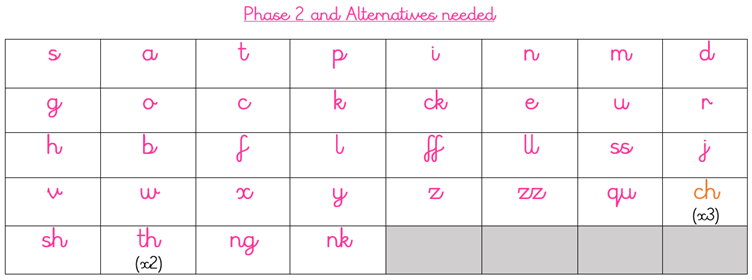
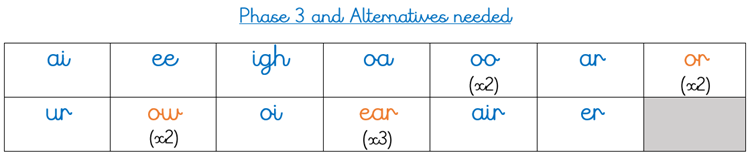
In Year 1, Children ‘grow the code’ by learning Phase 5 sounds (including alternative sounds, see below) as well as tricky words from Phase 5

Please note, the pronunciations of these sounds are in some cases specific to the scheme and it is essential that children practice in the same way at home that they are taught in school. For ‘how to say the sounds’, please reference the class dojo post which shows the current learning for each half term.
At the beginning of Year 2 children will consolidate their learning so far with a focus on developing fluency in their reading. Once children are secure in their phonic knowledge, they move onto applying what they have learned to spelling, finally ‘completing the code’ by learning spelling rules and strategies to spell with confidence.
If in Year 2 (following first half term) or Key stage 2, teachers assess that children have a continuing need to revisit phonics, they will access a Rapid Catch-Up Programme. We assess the children every four weeks to check progress.
For all taught ‘tricky’ (non-decodable words) please click here.
How parents can help at home
We know many of our families are keen to support their children on their reading journeys at home. Here are they ways in which we recommend you do this.
- Daily reading. The best way to support your child is through hearing them read from their school book daily. These books have been specifically chosen for your child to match their current reading level and practising with these books is essential. A ‘little and often’ approach is the best way to use these books, keep reading sessions short and fun!
- Practicing any sounds or tricky words your child has not retained. Progress is shared at the end of each half term so you will be aware of what your individual child is working on. You may wish to practice these sounds or words together at home.
- Phonics/ Spelling homework. Throughout Reception and Key stage 1 a weekly homework is given to all children. This homework reflects the week’s learning and is a great way of consolidating at home.
- Reading for pleasure. At Leckhampton we hope to instil a sense of joy that comes from reading. As well as their matched level reading book each child in Reception and KS1 has the opportunity to choose a ‘sharing book’ to read for pleasure with their families each week. We hope that you can enjoy these high-quality texts as a family.
We are excited for your child to start their Little Wandle reading journey with us and we look forward to seeing them flourish and bloom into ever more confident, happy and fluent readers.
Further information, including videos on how to pronounce each sound that your child will learn, can be found on the Little Wandle website under the parents tab.
https://www.littlewandlelettersandsounds.org.uk/resources/for-parents/