
This Week:
- Executive Function
Executive Function Skills
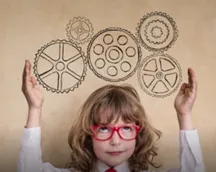
At our school, we are committed to supporting every child to become confident, independent learners. One important way we do this is by developing children’s executive function skills.
What is Executive Function?
Executive function refers to a set of skills that help children manage their thinking, behaviour and emotions so they can learn effectively and get along with others.
These include:
- Working memory: remembering and using information (e.g. following instructions)
- Self-control: thinking before acting and managing impulses
- Flexible thinking: adapting when things change or solving problems
These skills act like the brain’s “air traffic control system,” helping children focus, plan and manage different tasks at the same time.
Why Are These Skills Important?
When children are still developing executive function skills, they might:
- Struggle to follow instructions or stay focused
- Act impulsively or find it hard to wait their turn
- Become easily frustrated or overwhelmed
- Find it difficult to organise themselves or complete tasks
- Find changes or transitions challenging
Over time, this can impact:
- Learning and progress in school
- Confidence and resilience
- Friendships and social interactions
How You Can Support at Home
Parents and carers play a vital role in helping children develop these important skills. Small, everyday actions can make a big difference:
- Create routines
- Predictable routines help children feel safe, secure, and organised.
Examples:
- Use a simple morning checklist (get dressed → brush teeth → pack bag)
- Have a consistent bedtime routine (bath → story → sleep)
- Use visual timetables or pictures for younger children
- Break tasks into steps
Short, clear instructions make tasks more manageable.
Examples:
- Instead of “get ready for school,” say “put on your shoes” then “get your coat”
- When tidying up: “Put the books away first, then the toys”
- Use timers to help children focus on one step at a time
Encourage independence
Giving children opportunities to try builds confidence and resilience.
Examples:
- Let them dress themselves, even if it’s not perfect
- Encourage them to pack their own school bag using a checklist
- Allow them to solve small problems before stepping in
- Play games together
Play is a powerful way to build thinking, memory, and social skills.
Examples:
- Play board games that involve turn-taking (Snakes and Ladders, Uno)
- Try memory games like matching pairs or “I went to the shop…”
- Play “Simon Says” to practise listening and following instructions
- Talk about feelings
Helping children understand emotions supports self-regulation.
Examples:
- Name feelings: “I can see you’re feeling frustrated”
- Use books or TV characters to talk about emotions
- Practise calming strategies like deep breathing or counting to 10
- Model positive behaviour
Children learn by watching how adults respond.
Examples:
- Say out loud: “I’m feeling a bit stressed, I’m going to take a deep breath”
- Show how you plan: “First I’ll write a list, then I’ll start cooking”
- Demonstrate problem-solving: “That didn’t work—what could I try next?”
- Praise effort
Encouraging effort builds resilience and a growth mindset.
Examples:
- “You kept trying even when it was tricky—that was great!”
- Focus on progress rather than perfection
Working Together
Executive function skills take time to develop, and every child progresses at their own pace. Brain development continues throughout childhood, and with consistent support at home and school, these skills grow stronger over time.
By working together, we can help children develop the confidence, resilience and independence that will support them throughout their lives.